Friday, November 9, 2018

How to Frame a Basement

Learn How to Frame Your Basement from Start to Finish

The basement is often overlooked by many homeowners mostly because we don’t get to spend much time in it. However, the importance of having a properly constructed basement nowadays is big. Like any other room, a functional basement gives you enough space for storage or, in some cases, a beautiful and functional living space.

This is why your basement needs to be properly framed, insulated and free of any obstructions. Below, we are listing our full guide to framing a basement.

How to Frame a Basement Step-by-Step

Every basement can be more than just a utility and storage area. While most of the basements are used in that manner, you can make your basement a room that is as warm as comfortable and as inviting as any other room in your house.

So, let’s get started with all of the steps, showing you how to make the process of framing less of a headache for you.

1. Frame Your Basement Walls

The first step is to design a floor plan. Here, you need to frame your basement walls. Even though this seems pretty straightforward, a poor framing job can cause numerous problems for you.


2. Seal the Wall

You can start by rolling a masonry waterproofing product. This step is crucial because it helps you prevent water that naturally migrates through concrete in a capillary effect. Even though this is not a permanent solution to bulk water infiltration problems, it is a solution that waterproofs your basement against most of the common scenarios.


3. Install Foam Board

Assuming that your waterproofing has dried, you should install 2-inch extruded polystyrene (XPS) foam board insulation. When doing this, make sure to use XPS as your main type (other types are not that moisture-resistant). Stick it to your wall with a construction adhesive, which is designed for foam. Other adhesives will melt it.

Start applying the adhesive in vertical strips in the middle of the wall. If there is water getting behind the foam, make sure to apply adhesive horizontally and, therefore, allow the water to pool up. Run a continuous bead of adhesive at the top and bottom of the wall (at the most critical points) and tape all the seams. This will prevent warm air from getting outside the room and behind the foam, potentially condensing on the cool concrete walls.


4. Install-Block Between Joists

When your floor joists run parallel to the wall that you are building, make sure to install blocking for attaching the top wall plate. You can screw or nail one side of the block through the joist and secure the other side to the sill plate. If the brace comes in direct contact with bare concrete, use treated lumber.

In most of the cases, it is easier to install the braces before installing the foam board on the walls and insulating the joist. You can place your blocks at 2 feet apart so that they work as drywall backers as well.


5. Snap Lines on the Floor

Snap a line on the floor which is 4 inches away from the foam as a guide for the bottom plate. This will leave a gap of 1/2-inch between your new wall and the foam, allowing a bit of ‘wiggle room’ if the foundation walls are not ruler-plumb or straight.


6. Assemble the Wall on the Ground

If your basement is big enough, we recommend assembling your wall on the ground. Just make sure to mark every stud as a “crown” and put “X” on it. Make sure your crowns face the same direction. If not, you may end up with a wavy wall.

By assembling your wall with the crowns up, both ends of the studs will solidly lie on the ground when you attach the top and bottom plates. Build the wall so it can be tipped up directly. This will also help you swing the whole wall up easily without any round turns.


7. Tip-Up the Walls

When it comes to tipping, most homeowners decide to tip walls with the bottom plate against the actual wall. However, if your floor joists are sagging or there is any ductwork in the way. You may have to consider lifting the top of the wall in first and slide the bottom plate in place as shown on the screenshot below.


8. Build the Walls Short

If you need a sledgehammer to pound the walls inside, they are too tall. The truth is, your top plate doesn’t need to be too tight against the joists — you have shims for that. So, make sure to measure the distance from the floor to the joists at several locations and build your wall 1/4-inch shorter than the shortest measurement. This way, you won’t raise the joists by forcing your wall.


9. Fasten the Bottom Plate

The bottom plate needs to be fastened with a construction adhesive and a powder-actuated tool (PAT). You should place the fasteners at every 6 feet and within 6 inches of each end. We recommend wearing safety glasses and hearing protection during this step as these little things can create a lot of noise.


10. Plumb and Secure the Top Plate

Plumb the wall about every 4 feet by using an adjustable level that reaches from the bottom plate and the top one. If your plate level is not a $300 one, you should use at least a 4-foot level and try to find the straightest studs that will be your guide.

The shims are needed at only about every third joist. However, nailing the top plate to every joist is a must. Again, it is not necessary to align the studs directly under the floor joists, but it is a sound idea if you plan to run ductwork or plumbing in the walls afterward.


11. Build in Place When Necessary

If your floor is out of level, the best solution could be to “stick a frame” nailing one stud at a time instead of building the wall on the floor. You can start by fastening the bottom plate and then — by using a straight stud — plumb up to find the location of your top plate. After you snap a line and fasten the top plate, you should plumb up again and mark the location of your first stud on both plates. Use nails for each stud to put it in place with two nails on one side of the stud and one on the other.

12. Inside Corners

Framing inside corners should start with turning the last board on the first wall sideways and overlapping both about halfway past the connecting wall. This way, you can fasten the two walls together and still have a surface for attaching your drywall.

13. Build Out Around Windows

If you are planning windows, they will need wood around to be attached to the drywall. If there is room, you can use foam under the boards and tape the seams to the foam that you have installed on your wall.

If there is no room for foam, you can use treated lumber but still tape the seams. To attach these boards, use construction adhesive and concrete. Install the wood around the window before building your wall. It will save time and let you know exactly where the framing needs to be.

14. Don’t Forget Drywall Backers

Drywall backers should be added while you have your framing tools at hand and before you fill the wall cavities. So, it is important to overview the entire area and make sure the ceiling and walls have a sufficient nailing surface for the drywall.


When thinking about using backers, focus on the top of outside corners, perpendicular intersections, and the walls that run parallel to the joists — all three being the most common areas when backers are needed.

Conclusion

There you go — framing your basement is complete — and has never been any easier.

We hope that you will follow these tips and make the most of your basement space. Good luck!

The post How to Frame a Basement appeared first on Emergency Plumber Finder.


source https://emergencyplumberfinder.com/how-to-frame-a-basement-2/

Sunday, July 15, 2018

How To Unclog Main Sewer Line Without A Snake

How To Unclog Main Sewer Line (Without Using A Snake)


We all know that clogs in sewer lines are not really a big threat to your home (like a flood or fire). However, dealing with a backed-up sink or toilet waste that is draining inside instead of leaving the house is often quite nasty.


The truth is, a main sewer line clog is an easy job for any plumber – and one that will likely end up with a hefty bill for you. If you want to try some DIY home maintenance, on the other hand, it can be the perfect solution that takes care of the problem for you at the fraction of the cost.

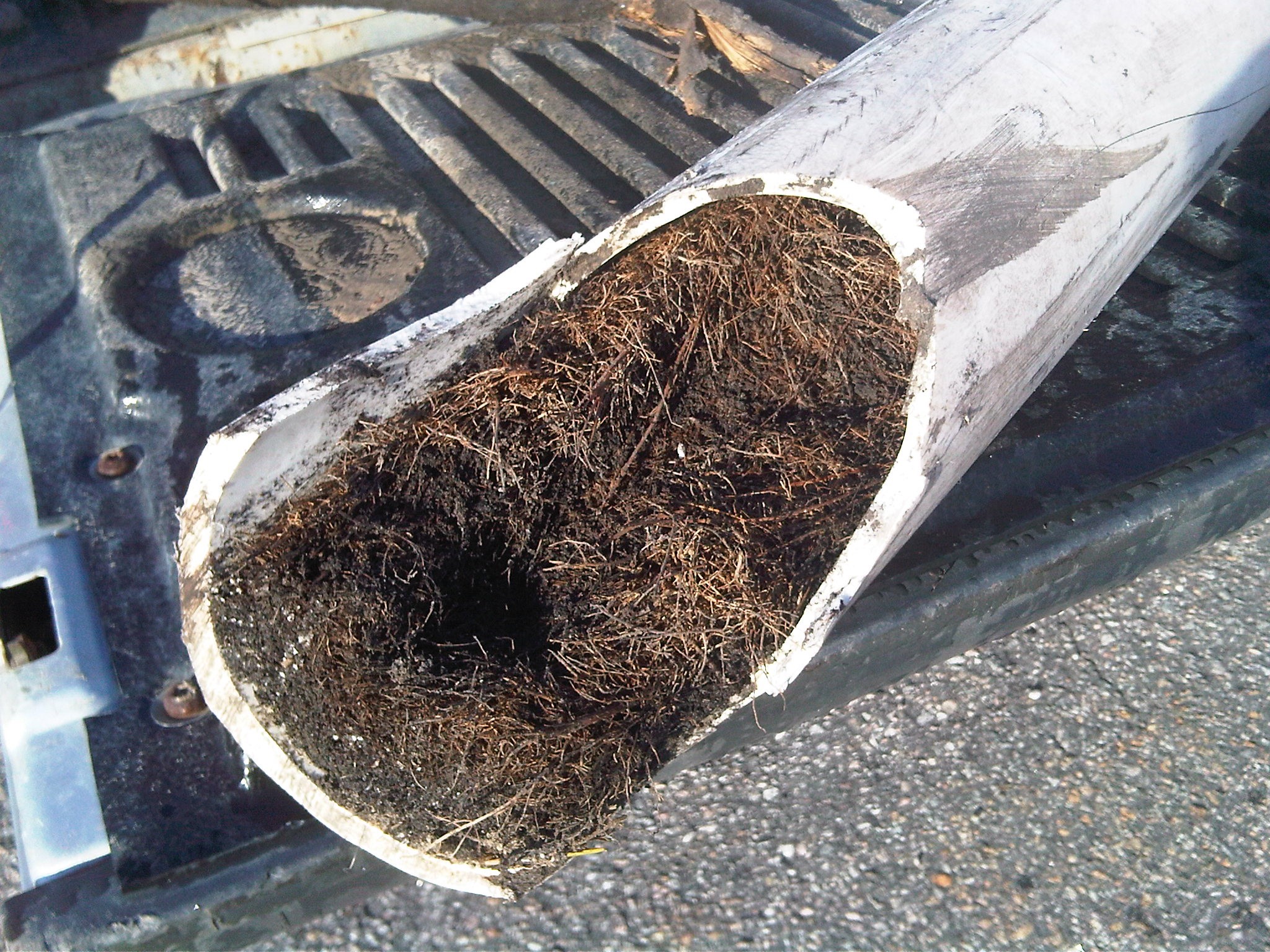
Debris Clogging a sewer drain

If you are familiar with what sewer snake is, you probably know that it is a great and inexpensive tool that can help you unclog the sewer line. However, the unclogging can also be done without it – which is exactly what we are talking about below.


How To Clean A Sewer Without A Snake (Step-By-Step)

Below, we are listing all the steps, methods and tools needed to unclog a main sewer line without using a snake.


  • Step 1 – Run Hot Water

If you run hot water straight from the tap, it may help unclog the drains or pipes that are partially clogged. The recommended time for the hot water to run is approximately 5 to 10 minutes. Aside from this, the water can also be drained from the toilet talk and be replaced with hot water.


  • Step 2 – Apply Chemical Drain Cleaner

You can find a chemical drain cleaner in almost every hardware or department store. As soon as you find the right agent for your needs, just follow the directions outlined on the package and apply the cleaner to your clogged line. In most of the cases, a drain cleaner like this will help you get rid of the problem.


  • Step 3 – Get A Force-Ball Plunger

A force-ball plunger can help you form a more perfect seal with the drain – and use more pressure into it to dislodge the blockage. When using such plunger, make sure to have an adequate amount of water in the bowl and plunge several times before removing the plunger. You should repeat the process until the clog breaks free.

drain getting filled with drain cleaner to unclog it

How To Clear A Sewer Line With High-Pressure Water

If nothing worked for you so far, maybe high-pressure water down your drains can get you rid of the clogs.


a.Locate and remove the clean-out plug on the sewer line

The clean-out plug is most commonly found on one of the sewer lines in the basement.

However, if you cannot locate the clean-out plug on your sewer line, you should also check outside. In some cases, near drainage lines are associated with rain spouts.


b.Place a large bucket of container below the plug

The next step is to get a large bucket or container just below the plug. By doing this, you will prevent the water from getting out of control and creating a mess on your basement floor (which can easily happen if any water or drainage is forced back through the line).


c.Attach a high-pressure nozzle to the end of a garden hose

You can get a high-pressure nozzle in any garden supply store. Nozzles like these are cheap and effective. Aside from unclogging, you can use them for cleaning a lot of surfaces. Make sure to properly attach it to your garden hose (and make sure that it properly fits).


d.Run the garden hose into the sewer line through the clean-out plug

Run the garden hose into the sewer line through the clean-out plug. Make sure to run as much of the hose as you can, so that it enters right or until you come up against it.


e.Open the water valve (start slightly)

The last step is simple. You should open the water valve – but start slow. If you run too much water immediately, it may cause a rush of water back through the sewer line, creating a mess in your basement.


The goal here is to work the hose back and forth as you open up the valve more and therefore increase the amount of water. In the best-case scenario, the high-pressure water should break through the blockage. You should however continue running it through the sewer until you feel that the line is clear.

plumbing performing a sewer backup check

Causes Of Sewer Backups

As you can see from what we have written above, sewer line clogs can easily turn to a bigger problem if left untreated. And that is exactly why you need to know what causes them in most of the cases.


If you are wondering what are the main causes of sewer backups, they basically include:


  • Clogs – Caused by improper waste disposal, clogs can be triggered by flushing tissues, diapers, napkins and other solid waste materials which are not degradable. If your sewer line gets clogged, you might have to take them out by hand.
  • Tree Roots – Growing into pipes and causing blockages, tree roots are also known as one major cause of sewer backups.
  • Broken Sewer Lines – Sometimes, the problem can lie inside your sewer lines which might be broken, old or collapsed The sewage pipes which commonly collapse are built from clay piping and cast iron which are both materials that can break over time. If you experience such problem, you should inspect and determine the cause and get expert help in unclogging them.

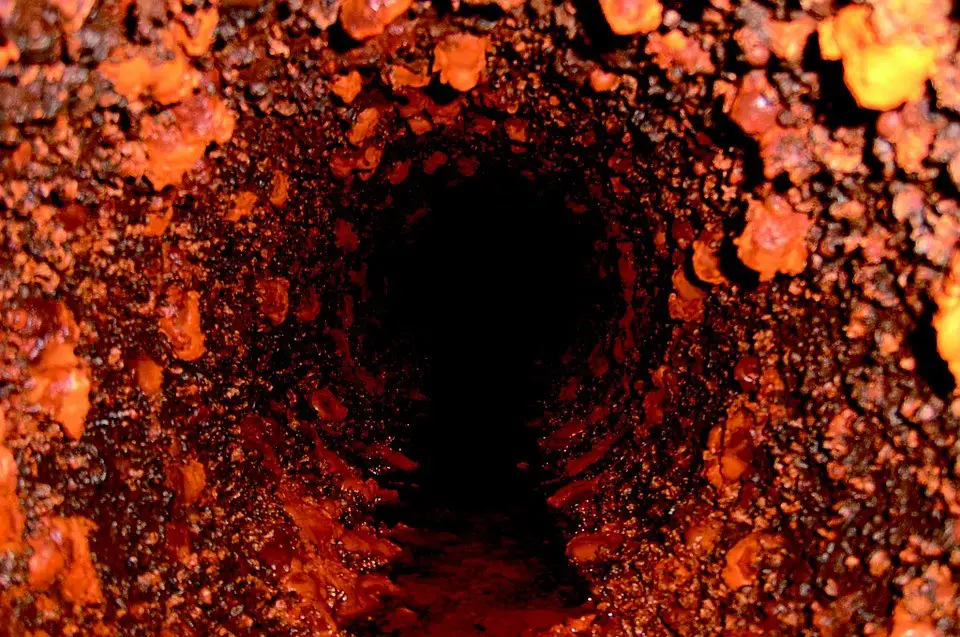
inside of a drain with a snake tool

Using A Sewer Trap Plunger: Is It A Good Idea?

We all know that plungers are probably one of the most effective tools for unclogging drains. Homeowners love using a sewer trap plunger for unclogging drains because of the tool’s simplicity and its ability to get the job done.


So, it is safe to say that sewer trap plungers are an efficient tool for drains that are experiencing a problem. Ideally, you have the plunger right next to the area that is backing up. In an emergency, you need to work with the plunger you have (even though it is better to have one for your toilet and one for your sink).

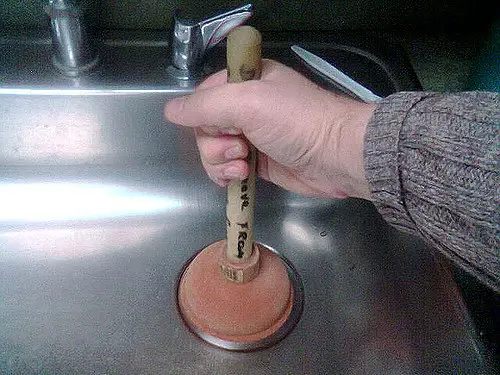
plumber trying to unclog a drain with a plunger

To unclog the sewer line with a plunger, make sure to stop your water from running (if you can). Next, grab the plunger and the drain you are trying to unclog and begin to push and pull at the stick end of your plunger. Your elbows will feel the pressure but you have to keep on going. After a few good pumps, release the seal, unclogging whatever is stuck in your pipes and allowing the water to drain out.


After you unclog your drain, you should clean the area and clean your plunger. If you used a toilet plunger for a sink or tub, make sure to disinfect the area and invest in separate plungers for both the toilet and the kitchen.

unclog pipes with air pressure

Conclusion

In the end, having a snake is probably the best solution to unclogging a main sewer line. However, you can see that there are many alternative methods that can help you – and ones that are just as effective.


Luckily, unclogging a sewer line is not a process that is that complicated, which is why you can save some time and money and do it yourself instead of hiring a plumber.


What you should also remember is that proper use and maintenance of your drains will give you less clogged sewer lines than expected – and less problems with them in general. We hope that this guide helped you solve your problems!

The post How To Unclog Main Sewer Line Without A Snake appeared first on Emergency Plumber Finder.


source https://emergencyplumberfinder.com/unclog-main-sewer-line-without-snake/